

By the age of 50, up to 70% of women in Australia could be affected by uterine fibroids, however, many women are unaware of the minimally invasive uterine fibroid embolisation treatment (UFE) available, and instead undergo invasive and potentially unnecessary surgery.
A 2024 survey published in the Medical Life Sciences News found that among women who have personally been diagnosed with uterine fibroids, more than half (53%) were presented with a hysterectomy, while fewer than 1 in 5 (20%) were presented with other less invasive options such as uterine fibroid embolisation. Moreover, some women (17%) mistakenly think a hysterectomy, or complete removal of the uterus, is the only treatment option, including over 1 in 4 women aged 18–34 (27%).
What Are Uterine Fibroids
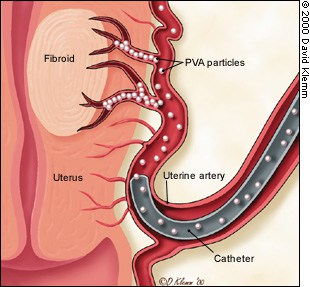
Uterine fibroids (also known as leiomyoma) are benign (non-cancerous) growths that develop in the muscle wall of a woman’s uterus. They usually become apparent between the ages of 30-50, with their growth fueled by oestrogen and progesterone. Fibroids often regress once menopause starts.
Uterine fibroids are common – by the age of 50, up to 70% of women in Australia could have fibroids, however they are not always symptomatic or required treatment.
Fibroids can cause symptoms depending on their size and location. Symptoms may include pelvic pain, heavy bleeding, increased period pain, and increased frequency of urination. Fibroids can also be associated with infertility.
The best treatments for uterine fibroids depend on symptoms, size, location, and fertility goals, ranging from medication for symptom management to procedures like uterine artery embolisation (UFE), radiofrequency ablation, myomectomy, or hysterectomy. For symptomatic relief, NSAIDs and hormonal contraceptives are commonly used.
UFE is a minimally invasive treatment option and is a commonly performed treatment all around the world, though many women in Australia are unaware of it. In Australia, UFE represents 2.7% of all procedures to treat fibroids, compared to 17% in the UK.
What is Uterine Fibroid Embolisation?
Uterine Fibroid Embolisation (UFE) has been used to treat uterine fibroids for over 20 years and has an established role in the management of symptomatic fibroids. This procedure is conducted under twilight sedation and is performed by a specialist interventional radiologist with expertise in the area.
UFE involves a tiny catheter being inserted through the wrist or groin and manoeuvred into the uterine artery under X-ray guidance. Tiny particles are then inserted into the arteries supplying the fibroids, reducing their blood flow and causing them to shrink and die over time. The whole procedure takes about 90 minutes and no abdominal incisions or stitches are required.
Benefits of UFE
-
- UFE is a very effective procedure with a success rate of approximately 85% and is approved by Medicare.
-
- The procedure offers a fast recovery and is very well tolerated; most patients can go home the next day.
-
- It’s minimally invasive and the risk of major complications is much lower for UFE than other surgical treatment options.
UFE is endorsed by the Australian RANZCOG who state that the UFE is an effective, less invasive alternative to traditional methods, with fewer complications and a quicker recovery.
There is a growing call in 2025 for better education of patients regarding UFE, as many remain unaware of this alternative to surgical procedures like hysterectomy. In March 2026, the Society of Interventional Radiology (SIR) updated its practice guidelines, highlighting the continued importance of UFE.
Risks of UFE
UFE is generally considered to be a very safe procedure, however, like all medical procedures it carriers a small risk of complications, including:
-
- Fibroid detachment – some women will pass small pieces of fibroid after the procedure. This risk varies with the position of the fibroid and how much it contacts the lining of the uterus. It very rarely causes and problems that would require further surgery like a dilation and curettage.
-
- Haematoma – a small bruise may form at the needle’s insertion site, but this is quite normal and usually requires no intervention.
-
- Pelvic Pain –Most patients experience some pain after a UFE, which is managed initially overnight with intravenous pain killer, then changed to tablets the next day. Pain may vary from person to person, but our team of specialists will tailor a plan to manage your pain.
-
- Infection – less than 2% of patient will experience infection after a UFE.
-
- Hysterectomy – in very rare cases, UFE can lead to severe infections and complications which result in the uterus needing removal.
Do you suffer from uterine fibroids?
If you live in Queensland and suffer from uterine fibroids, one of our specialist interventional radiologists at VIRQ work collaboratively with GPs and Gynaecologists to offer you the right treatment for your fibroids. If you suffer from uterine fibroids, your GP or gynaecologist can organise a referral to VIRQ for a discussion about how UFE may benefit you.