Uterine Artery Embolisation is a technique in which the blood supply to the fibroids is blocked, causing the fibroids to shrink and relieve symptoms.


Uterine Artery Embolisation is a technique in which the blood supply to the fibroids is blocked, causing the fibroids to shrink and relieve symptoms.
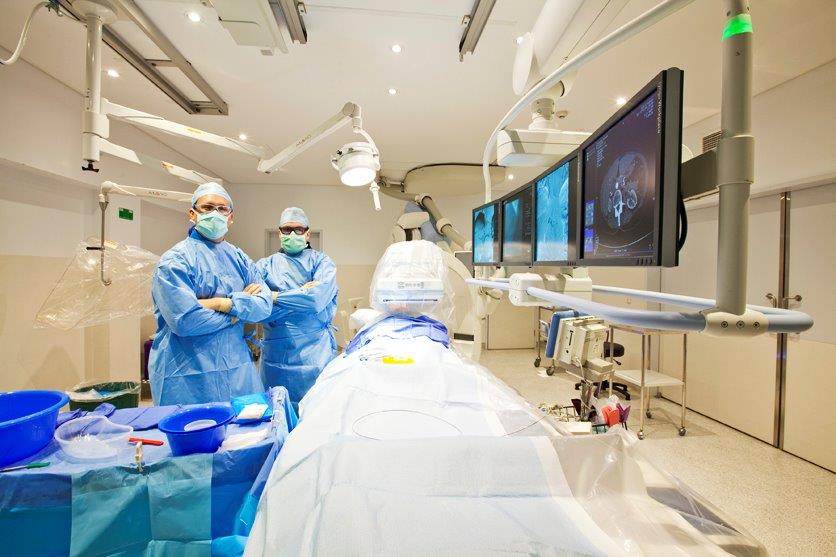
Uterine fibroids are a common benign growths in the muscular wall of the uterus (myometrium) which in some women can be problematic, causing heavy menstrual bleeding or pressure symptoms on the bladder and/or bowel.
Embolisation is a technique in which the blood supply to the fibroids is blocked, causing the fibroids to shrink and relieve symptoms.
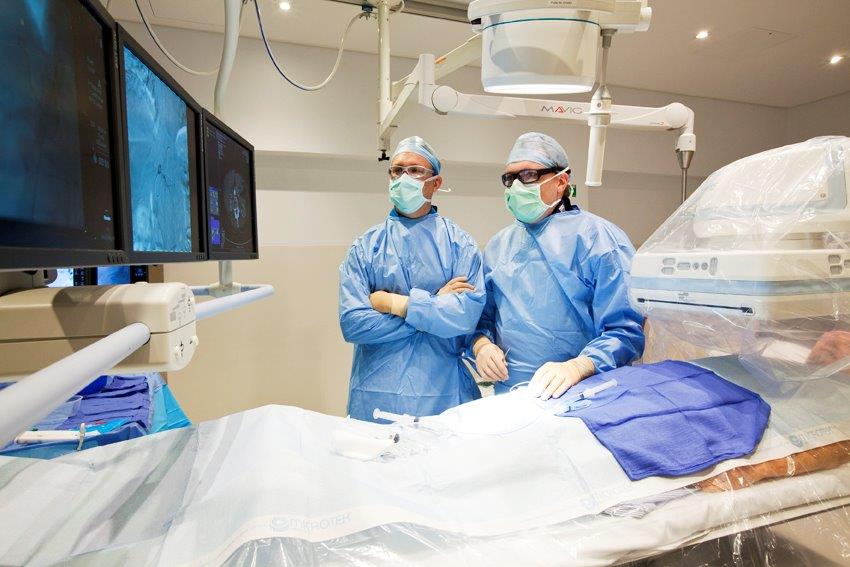
Uterine fibroid embolisation is performed to reduce the symptoms of fibroids, while avoiding surgical methods.
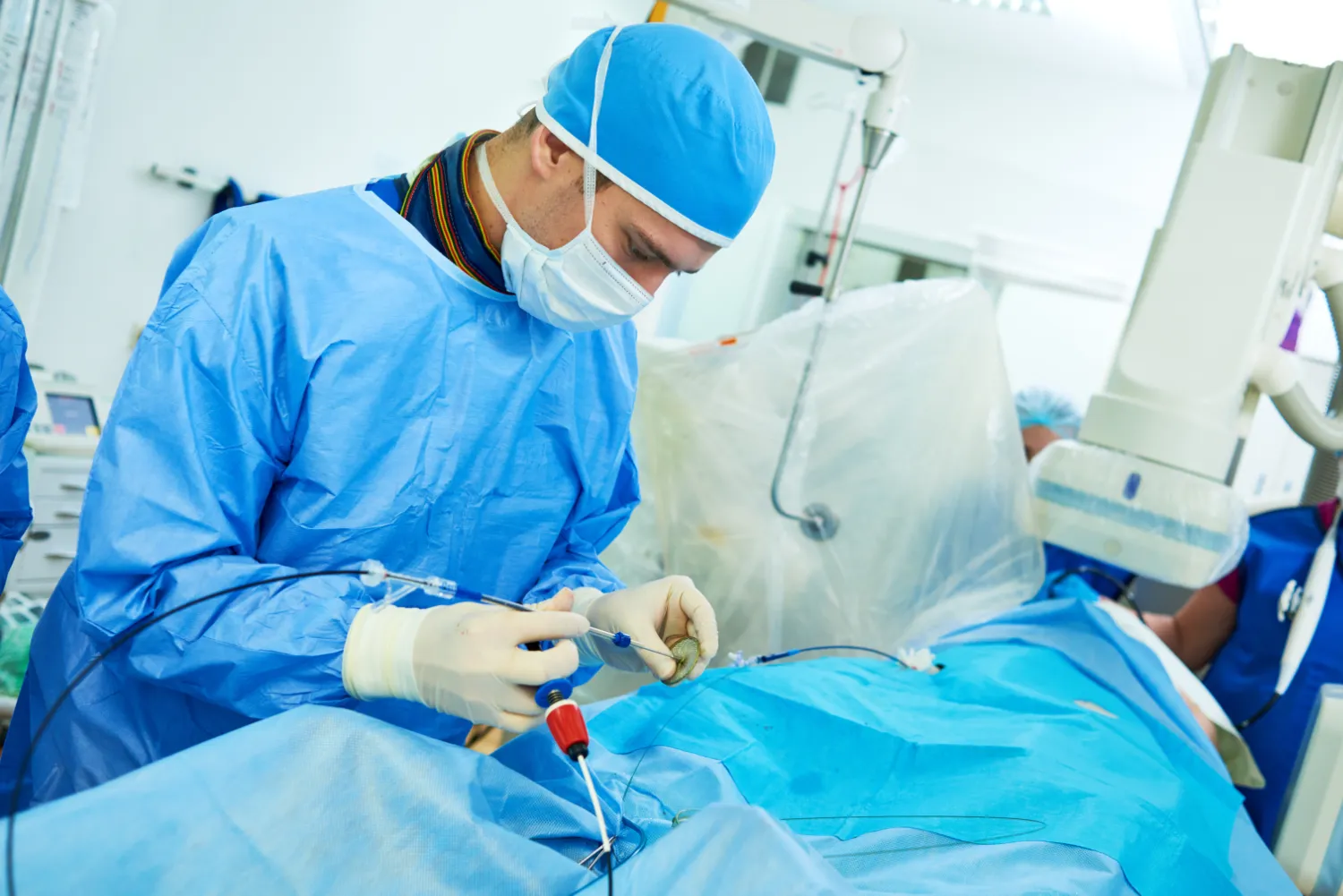
This procedure can be done under sedation or general anesthetic. Your interventional radiologist will guide a fine catheter (tube) into the arteries of the uterus from either the groin or wrist, under x-ray guidance. Tiny plastic particles will then be slowly injected into the blood supply of the fibroids, causing them to block up. By starving the fibroids of blood, they will shrink over time.
The best treatments for uterine fibroids depend on symptoms, size, location, and fertility goals, ranging from medication for symptom management to procedures like uterine artery embolisation (UFE), radiofrequency ablation, myomectomy, or hysterectomy. For symptomatic relief, NSAIDs and hormonal contraceptives are commonly used.
Approximately 9 out of 10 patients who undergo a uterine fibroid embolisation procedure will experience significant improvement.
There is a small risk of the following after a UFE procedure:
The procedure itself is not painful, though pain often develops afterwards. Embolisation intentionally cuts off the blood supply to the fibroids, causing them to die. The pain that is experienced caries from person to person, though most women experience some degree of pain. You will receive pain relief before, during and after your procedure to help manage this.
Patients usually need about 1 to 2 weeks to fully recover. They may have cramps or pain for several days after a uterine fibroid embolisation procedure and may also experience mild nausea for several days. It is also typical to experience some degree of fatigue afterwards, which usually lasts for a few weeks.
Once the fibroid blood supply is disrupted the tissue dies (infarcts), softens, and slowly shrinks as it is reabsorbed by the body. Eventually the fibroid is replaced by scar tissue. Sometime the dead fibroid tissue may pass out through the vagina.
An interventional radiologist inserts a thin plastic tube (angiographic catheter) into the arteries of the uterus, either via the groin or wrist, to inject tiny particles that cut off blood flow to the fibroids.
After a successful fibroid embolisation procedure and overnight stay in hospital, you should be able to return home the next day. Most women feel some soreness and tiredness afterwards, but can often return to normal activity after about a week.
There is no single best treatment for fibroids; every patient should have treatment tailored to their specific circumstance; the size, number and location of the fibroids, desire to preserve fertility, other medical factors, and of course the person’s preference.
Hysterectomy is a definitive treatment option for treatment of fibroids, and it can be the right choice for many women with fibroids. Some reasons why women may choose to avoid hysterectomy include desire to preserve fertility, need for shorter recovery time, and risk of prolapse or incontinence.
Uterine Fibroid Embolisation is 90% effective at successfully treating fibroid symptoms, and the health-related quality of life is similar at 10 years comparing UFE and hysterectomy.
UFE is proven to be safe and effective at treating fibroids, and we believe that women seeking treatment for problematic fibroids should be informed about UFE so that they can make an informed decision about their health care.
For appointment requests, please phone 0497 052 070. For general enquiries, please complete the contact form and a member of the VIRQ team will respond shortly.
Suite 20, 3 Doherty Street, Birtinya, QLD, 4575, Australia
For all appointments and enquiries, please phone:
Our office is attended:
Monday - 9am - 4pm
Tuesday 9am - 4pm
Wednesday - closed
Thursday 9am - 4pm
Friday 9am - 12pm