Geniculate artery embolisation (GAE) involves blocking off the blood supply to the inflamed lining of the knee joint.
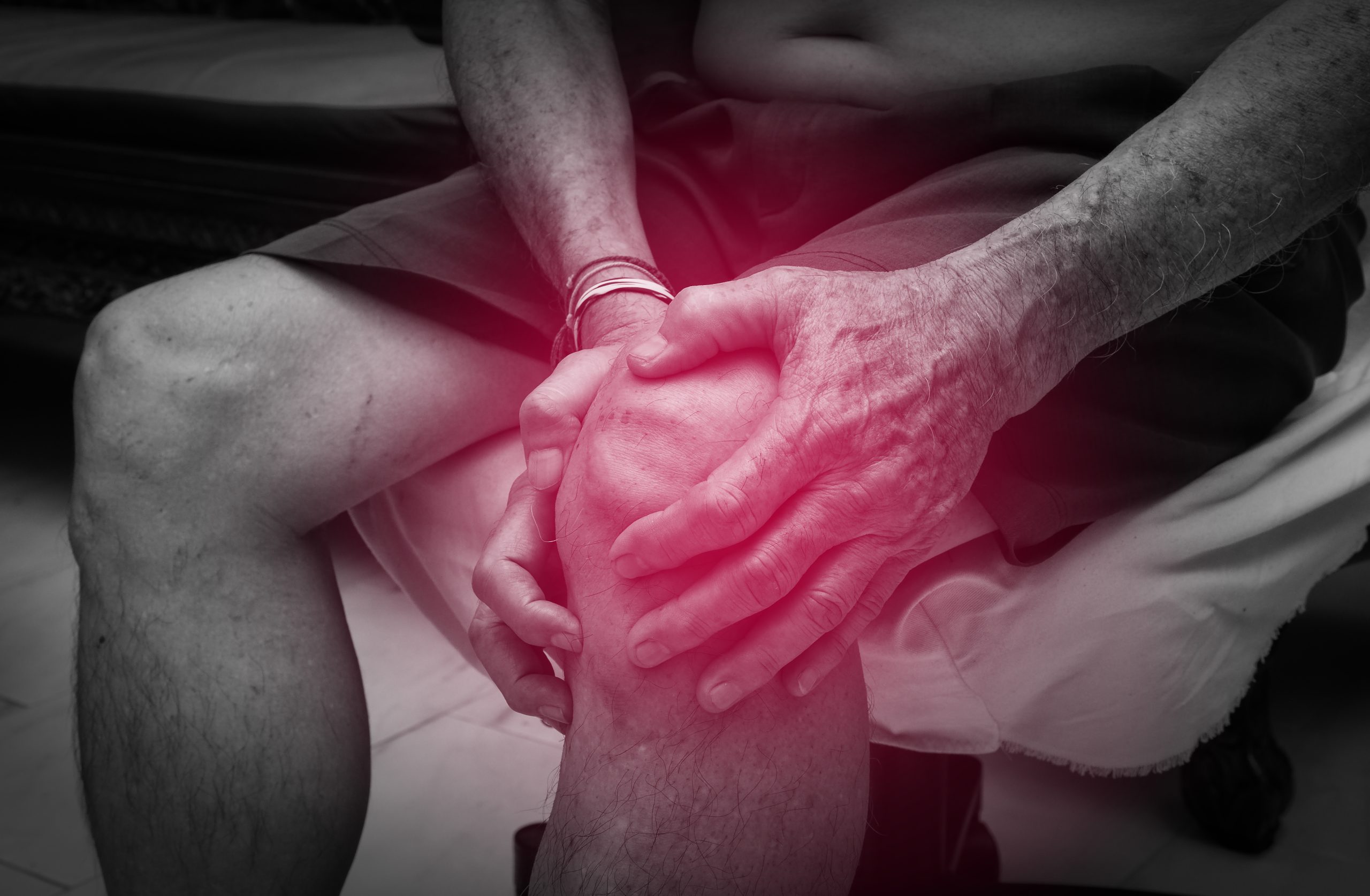

Geniculate artery embolisation (GAE) involves blocking off the blood supply to the inflamed lining of the knee joint.
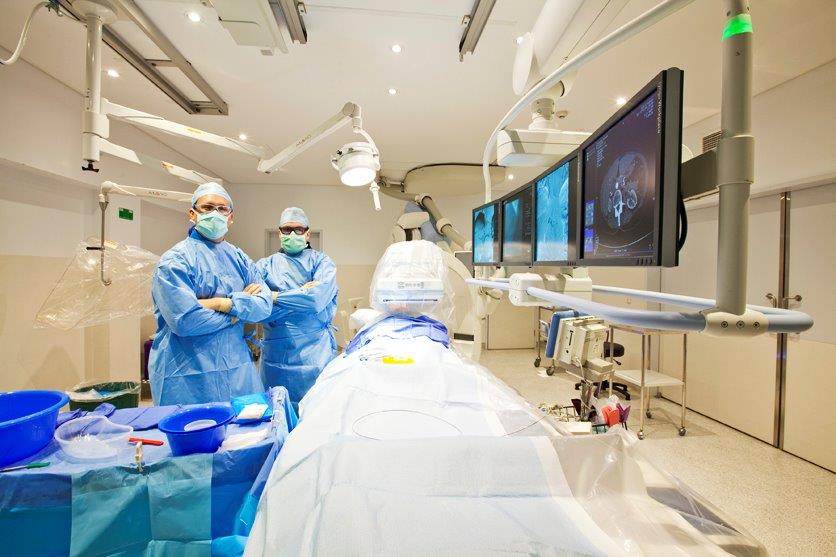
Geniculate artery embolisation (GAE) involves blocking off the blood supply to the inflamed lining of the knee joint.
This is a novel technique and while further research is needed, initial trials shows the promise this technique holds for patients with debilitating knee pain who are not ready or willing to undergo knee replacement surgery.
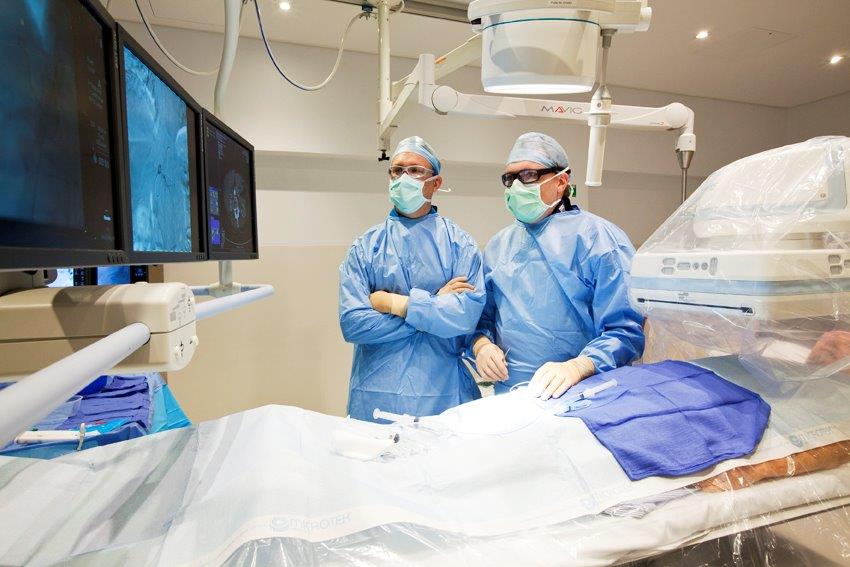
This operation can be useful for people who have had a total knee replacement and are having problematic bleeding into the joint, or in those with osteoarthritis not responding to pain medications or joint injections, but are not yet ready to have a knee replacement.
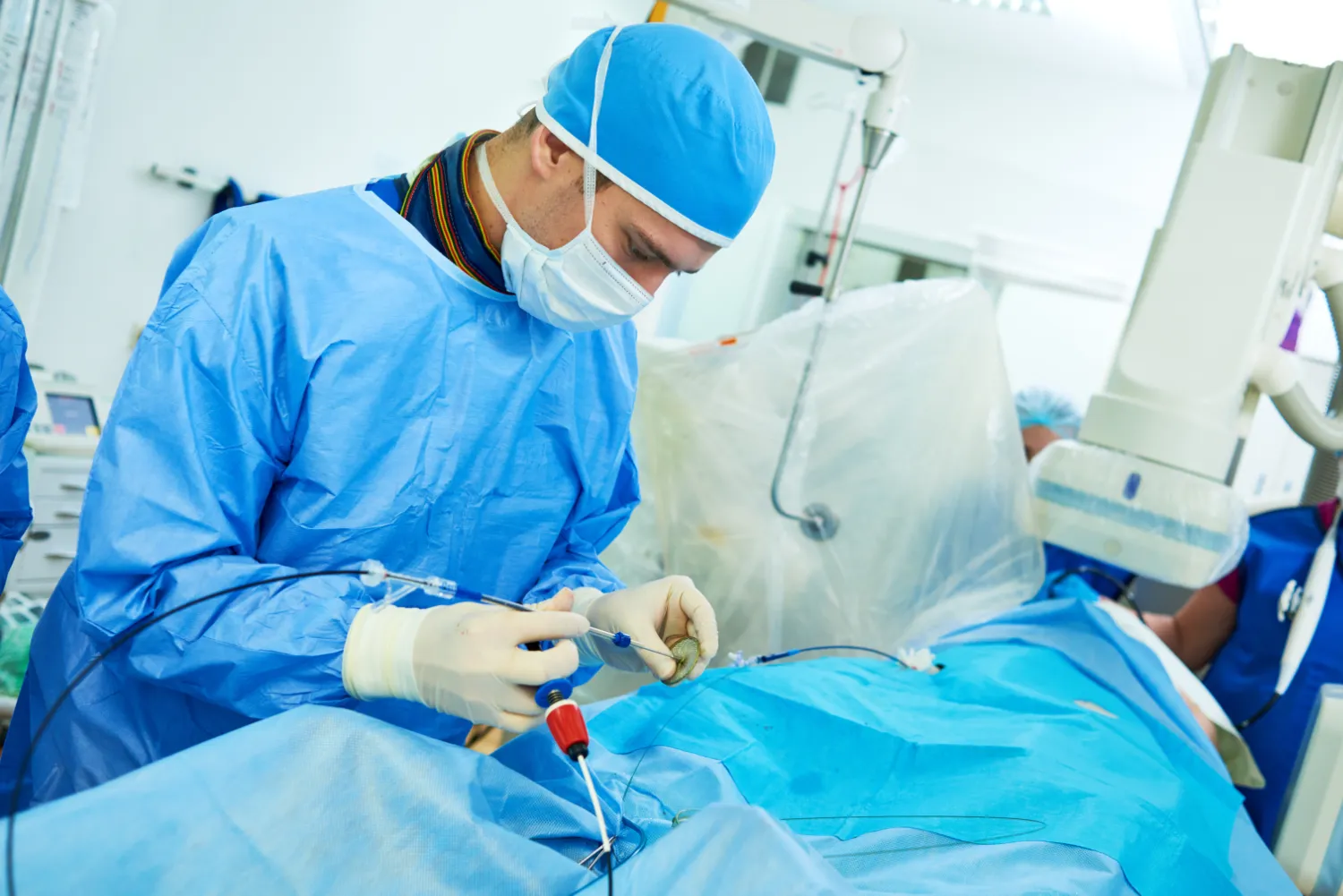
Embolisation of the geniculate artery is usually done under sedation in an operating room with specialised medical imaging equipment. Your interventional radiologist will use an ultrasound to guide a tube into the artery in the groin. They will then pass a microcatheter (thin plastic tube) into the arteries supplying the knee joint and slowly inject tiny plastic particles into the arteries supplying the inflamed synovium (lining of joint). During the procedure, you will have ice packs placed over your knee. After the procedure these will be replaced with hot packs.
By blocking off the blood supply to these arteries, the inflammation is reduced, which in turn reduces pain.
Geniculate artery embolisation (GAE) is a modern treatment for osteoarthritis associated knee pain, performed by Interventional Radiologists. During this minimally invasive procedure, a steerable microcatheter is used to cannulate the tiny vessels around the knee (Genicular arteries) to deliver microparticles that reduce blood flow to the inflamed joint lining. In doing so, inflammation and associated nerve sensitivity is reduced, improving overall function.
Non-surgical treatment of chronic knee pain hasn’t evolved for over 30 years, with options including analgesia, weight loss, physiotherapy, compression garments and intra-articular steroid injection. Surgery remains the gold standard for treating severe and debilitating osteoarthritis, but often many painful years are endured prior to surgery. It is during these years where genicular artery embolisation can improve pain and overall function.
GAE is performed as a day-case, in hospital, under twilight sedation and local anaesthetic. A small tube is placed into top of the foot, and from here the Interventional Radiologist navigates a microcatheter into the knee vessels (genicular arteries) to deliver the treatment. A typical procedure takes 45 minutes, and patients are ready to go home 2 hours afterwards.
GAE has been shown to be effective at reducing pain in people with mild-to-moderate osteoarthritis. Before the procedure, your Surgeon or Interventional radiologist will order an x-ray, MRI and examine your knee to determine whether this procedure is suitable.
Pain can take time to settle following the GAE procedure, as the inflammatory vessels and nerves progressively involute. Research collectively shows a significant pain reduction and functional improvement in 70 – 90% of subjects who underwent genicular artery embolisation, and results can be sustained beyond 2 years post procedure.
Some people have a transient worsening of pain post procedure and skin blanching, which settles with time and simple analgesia. 15-30% of patients may not experience pain relief following the procedure, and in these instances, it is reasonable to consider repeat treatment.
No. It is perfectly safe to have total knee arthroplasty following genicular artery embolisation.
Vascular and Interventional Radiology Queensland (VIRQ) is the largest group of specialist Interventional Radiologists who are currently performing GAE and other musculoskeletal interventions in Queensland. Speak with your GP or specialist about a referral to VIRQ, or call us for more information.
VIRQ interventional radiologists are actively performing research in the field of musculoskeletal interventional radiology. Our current research is studying the benefit of GAE over intra-articular steroid injection for pain associated with knee osteoarthritis.
For appointment requests, please phone 0497 052 070. For general enquiries, please complete the contact form and a member of the VIRQ team will respond shortly.
Suite 20, 3 Doherty Street, Birtinya, QLD, 4575, Australia
For all appointments and enquiries, please phone:
Our office is attended:
Monday - 9am - 4pm
Tuesday 9am - 4pm
Wednesday - closed
Thursday 9am - 4pm
Friday 9am - 12pm