Embolisation of the ovarian veins is a minimally invasive operation where the veins from the ovaries and pelvis are blocked off.


Embolisation of the ovarian veins is a minimally invasive operation where the veins from the ovaries and pelvis are blocked off.
Embolisation of the ovarian veins is a minimally invasive operation where the veins from the ovaries and pelvis are blocked off.
This operation is most commonly done to treat the symptoms of pelvic congestion syndrome, a condition where varicose veins in the abdomen and pelvis cause chronic pain or with your cycle. Sometimes this procedure is required before treatment of varicose veins in the legs.
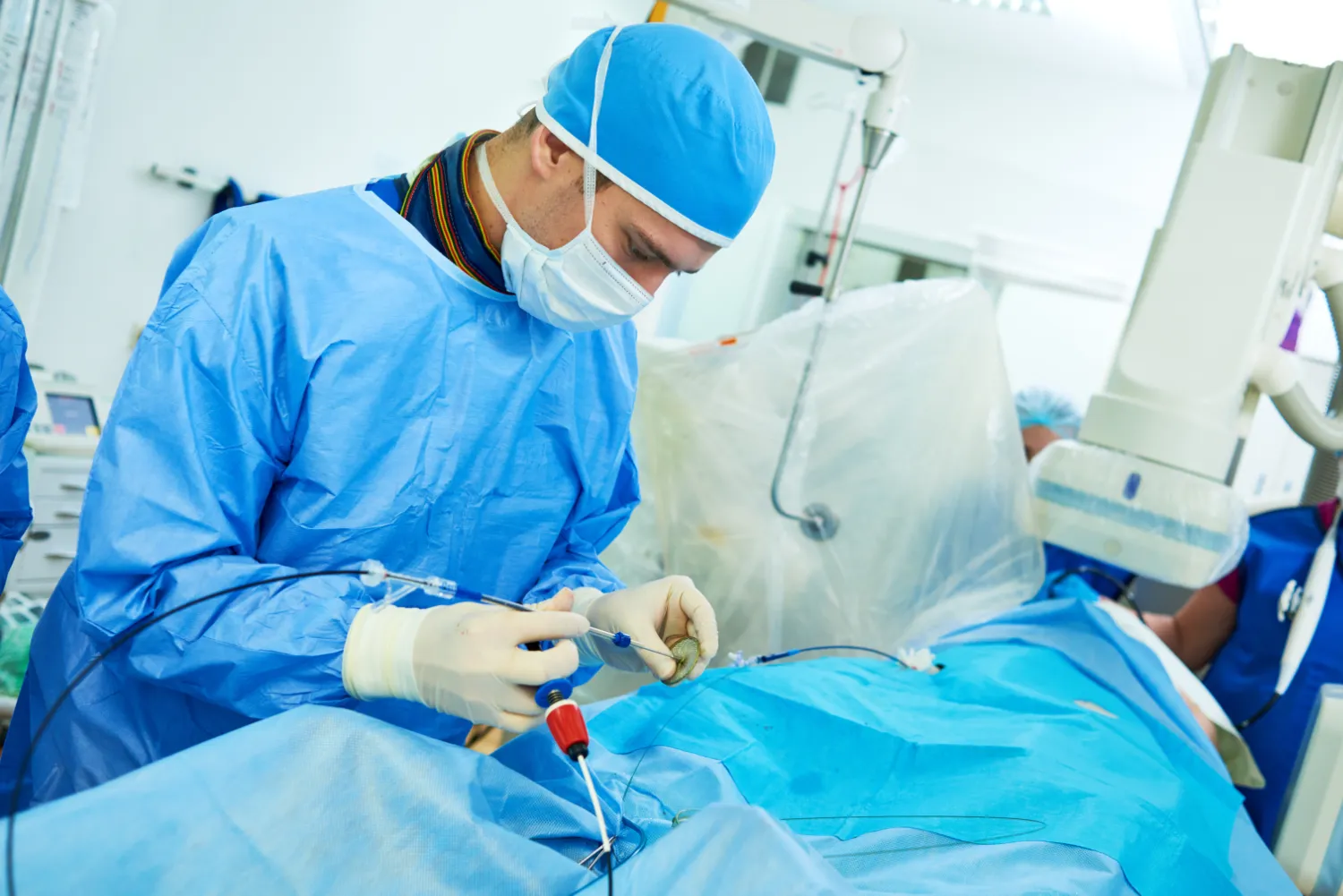
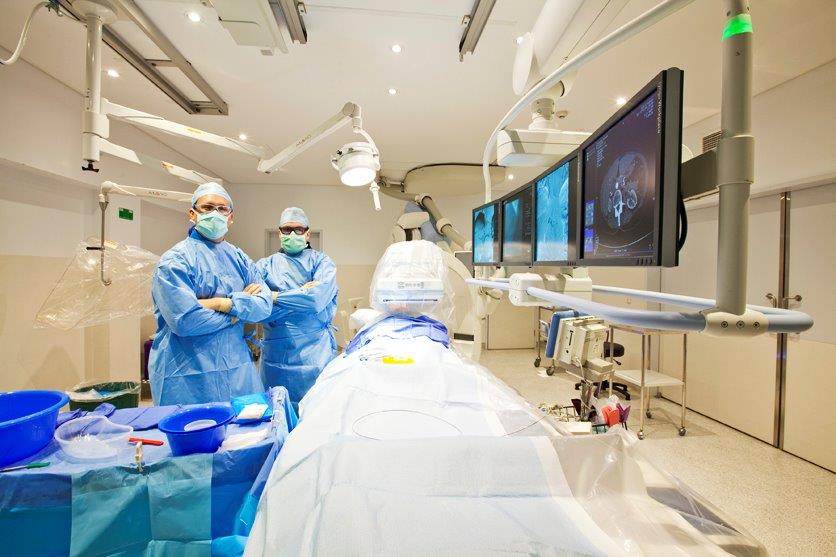
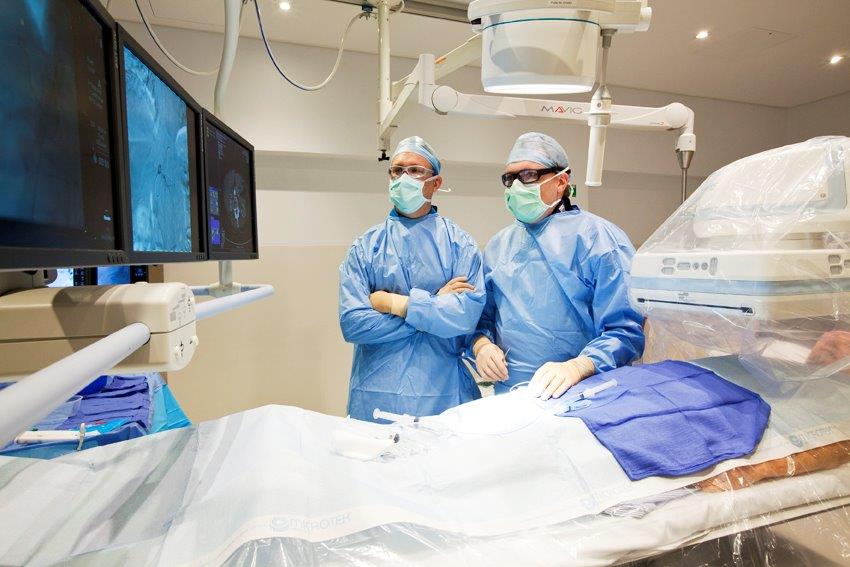
Embolisation of the ovarian vein is usually done under sedation in an operating room with specialised medical imaging equipment. Your interventional radiologist will use an ultrasound to guide a tube into the vein at either the base of the neck or groin crease. They will then pass a catheter (thin plastic tube) into the ovarian veins, either on the left or on both sides. The catheter will be passed down this vein into the pelvis where a combination of sclerosant and soft metal coils will be placed.
By blocking off these poorly functioning enlarged veins, the blood from the pelvis is directed into normally functioning veins, so reducing the symptoms of pelvic congestion.
Ovarian Vein Embolisation (OVE) is a minimally invasive operation where the veins of the ovaries and pelvis are blocked off. It is used to treat Pelvic Congestion Syndrome.
Pelvic congestion syndrome (PCS) is a condition caused by varicose veins of the ovarian and pelvic veins, resulting in pooling of blood in the veins of the pelvis. This may cause pain in the pelvis and lower back that is usually worse during menstrual periods, after prolonged standing, or after intercourse. It is most commonly seen in women between the ages of 20-50, and in women who have been pregnant.
Embolisation of the abnormal pelvic veins is performed to alleviate the painful symptoms of pelvic congestion syndrome. It may also be performed prior to treatment of varicose veins in the leg or vulva. Embolisation is a minimally invasive and effective way to treat abnormal ovarian veins, with no incision required.
Your interventional radiologist will use an ultrasound to guide a tube into the vein at either the base of the neck or groin crease. The tube will be passed down this vein into the pelvis where a combination of sclerosant and soft metal coils will be placed. By blocking off these poorly functioning enlarged veins, the blood from the pelvis is directed into normally functioning veins, reducing the symptoms of pelvic congestion.
The OVE procedure takes between 20 and 40 minutes and usually doesn’t cause much discomfort during the procedure. Our team will provide you with the anaesthetic best suited to you to keep you comfortable throughout the procedure – most women tolerate the procedure with twilight sedation. Some women feel some pelvic pain or discomfort for a few days afterwards, and you will be provided with medication to help alleviate these symptoms.
We recommend that you avoid any strenuous activity of heavy lifting for a week after treatment. It is normal to have some pelvic pain or discomfort during this time, though this is usually managed with simple analgesia such as paracetamol and ibuprofen. While some patients experience immediate relief, significant symptom reduction may take a few several months.
The technical success rate of ovarian vein embolisation is close to 100% – it is very rare that your interventional radiologist would not be able to treat the abnormal veins. OVE is a very effective procedure, with a 90% clinical success rate for treating the abnormal vein(s). The coils cause the veins to clot and permanently shrivel away, and the body’s blood circulation naturally reroutes to healthier vessels.
OVE is considered a permanent solution, as it is designed to permanently seal the faulty veins. However, there is a chance that you may have symptom recurrence down the track. If this happens, you may need a repeat treatment.
The OVE procedure does not affect fertility (the ability to become pregnant). Pelvic varices tend to worsen during and after pregnancy. If possible, we suggest that women wait to complete their family before undergoing ovarian vein embolization, as future pregnancies may cause symptom recurrence after OVE. Nonetheless, some women with severe pelvic congestion syndrome choose to have OVE despite the possibility of future pregnancies. If your symptoms return after a future pregnancy, most women can go on to have a repeat embolisation procedure to address the symptom recurrence.
Patients may experience mild, temporary discomfort in the pelvic region during their first menstrual cycle after the OVE procedure, but it should not alter the length or regularity of your cycle.
There is a small risk of bleeding, infection, coil displacement, pain lasting more than usual, or recurrence of the abnormal veins. Your interventional radiologist will discuss these risks with you before your operation.
For appointment requests, please phone 0497 052 070. For general enquiries, please complete the contact form and a member of the VIRQ team will respond shortly.
Suite 20, 3 Doherty Street, Birtinya, QLD, 4575, Australia
For all appointments and enquiries, please phone:
Our office is attended:
Monday - 9am - 4pm
Tuesday 9am - 4pm
Wednesday - closed
Thursday 9am - 4pm
Friday 9am - 12pm